Quick fix
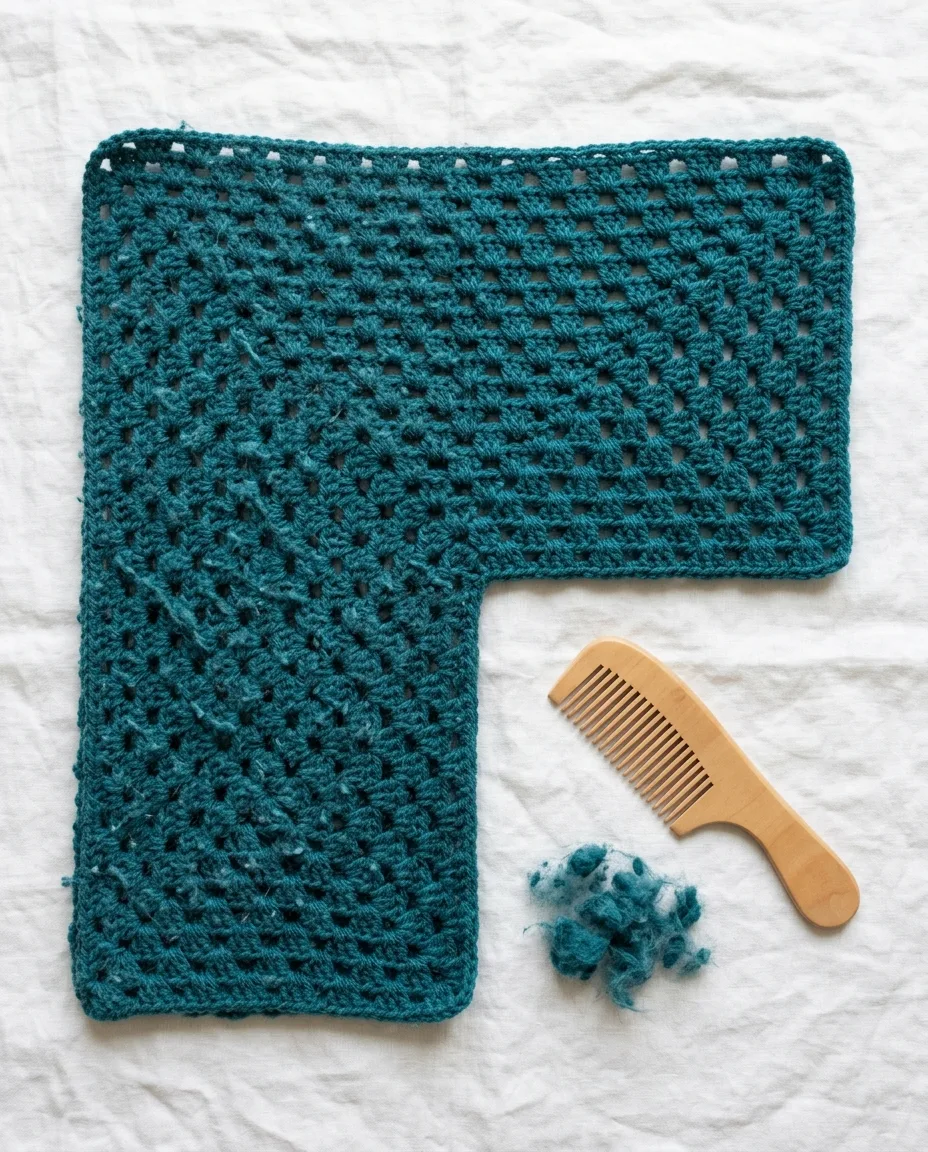
Fast pilling usually starts with the yarn: loosely spun or very fine fibers work free and tangle into balls, and acrylic holds those balls on. Comb the pills off with a sweater comb, then wash the blanket cold in a mesh bag and dry it flat.
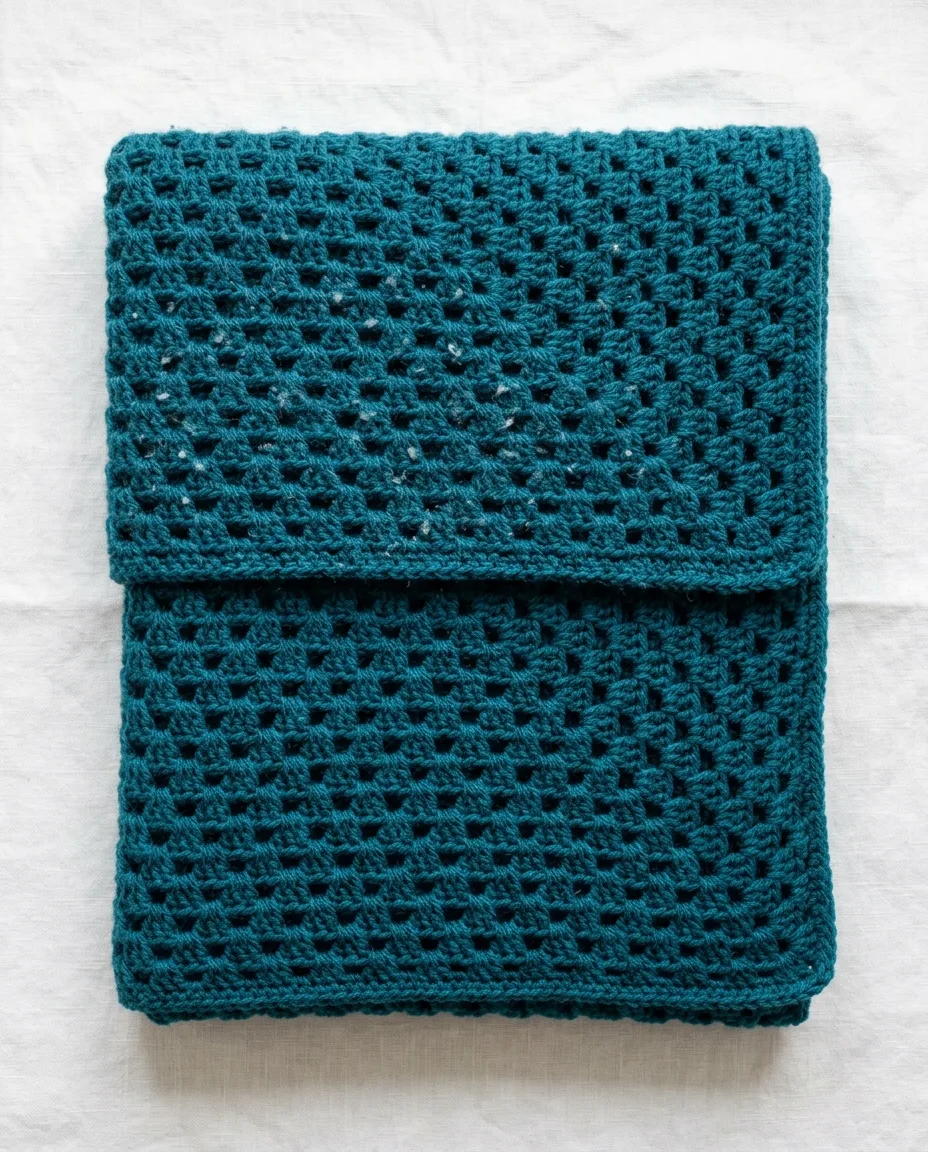
Three weeks after you finish it, the blanket looks old. Little balls of fuzz sit on the fold, along the edge you pull up to your chin, and on the corner the dog sleeps on. The stitches you spent a month on are blurred under them. It’s a common letdown, and it’s mostly fixable.
Those balls are called pills. They form when loose fiber ends work their way out of the yarn and tangle into tiny knots. Some yarns do this within days of use. Others go years without a single one. The yarn decides most of it. The way you make it and wash it decides the rest.
 Save
Getting the pills off now
Don’t pull them. Pulling drags more fiber out of the yarn and starts the next pill. A sweater comb or a fabric shaver lifts them off cleanly instead. Lay the blanket flat on a table first. Then work in short strokes in one direction, with the fabric held tight under your other hand.
Go gently over the stitch tops. A shaver pressed hard can nick the yarn, and a nicked strand frays fast. Small scissors work too, one pill at a time, if you have the patience. Slow? Very. But it’s the safest option for a blanket you love.
Removing pills won’t stop new ones. For that, find which of the causes below matches your blanket.
Cause 1
The yarn is loosely spun
 Save
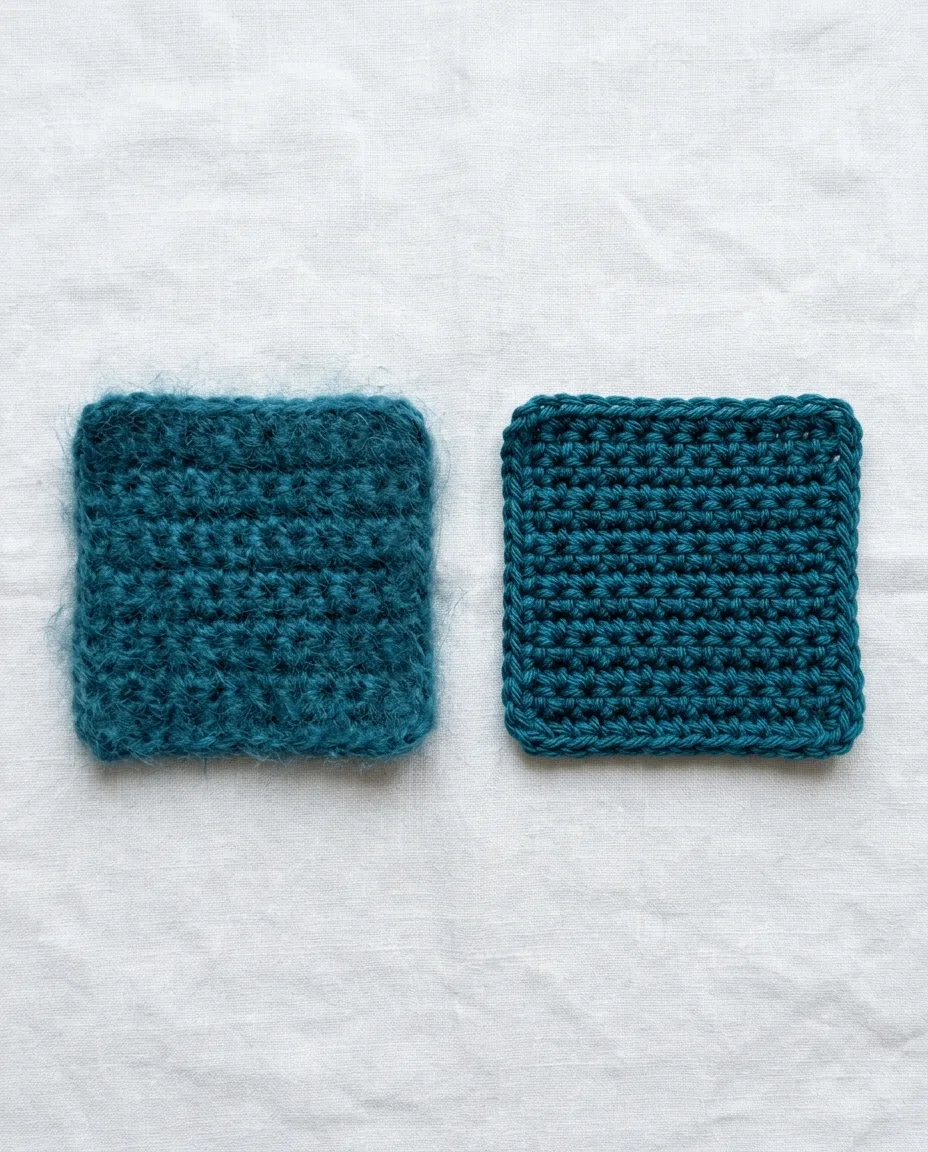
Look at a strand of your yarn up close. If it’s one soft, puffy strand with barely any twist, that’s the first suspect. Yarn holds its fibers in place by twist. Less twist means the fibers can slide out with the lightest rub.
Plied yarn is two or more thin strands twisted around each other. It grips its fibers far better. Untwist the end of your yarn with your fingers to check. You’ll either see separate strands or one fluffy rope that comes apart in your hand.
Single-ply yarns feel wonderful in the skein, and that softness is exactly the trouble. For a blanket that gets used every day, pick a yarn with at least two plies and a firm twist. Save the puffy single-ply for a wall hanging or a cushion that mostly gets looked at.
Cause 2
Soft, fine fibers wear fastest
 Save
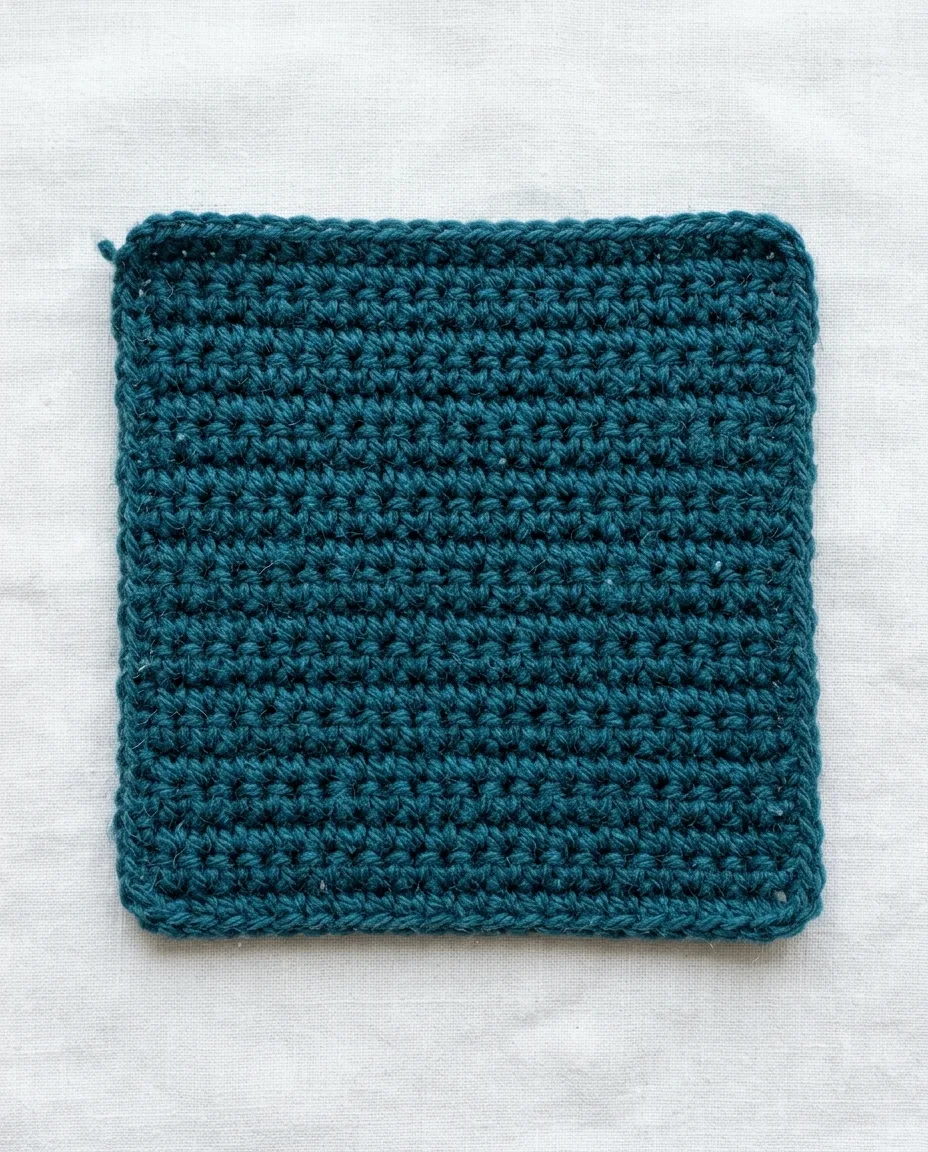
Softness often comes from very fine fibers. Merino wool is the classic example. Its fibers are thin and fairly short, and short fibers have fewer turns of twist holding each one in. They escape sooner. Some baby yarns and cheap “super soft” acrylics behave the same way.
Long fibers hold on better. Alpaca and mohair tend to pill less. So does long-staple cotton. Mercerized cotton, which has been treated to make it smooth and a little shiny, barely pills at all. It’s heavier and less cozy, though, so it’s a trade.
And blends can surprise you. A yarn that’s part merino and part nylon is tougher on paper. Yet the nylon also holds on to the merino pills once they form, which leads straight to the next cause.
Cause 3
Acrylic holds on to every pill
 Save
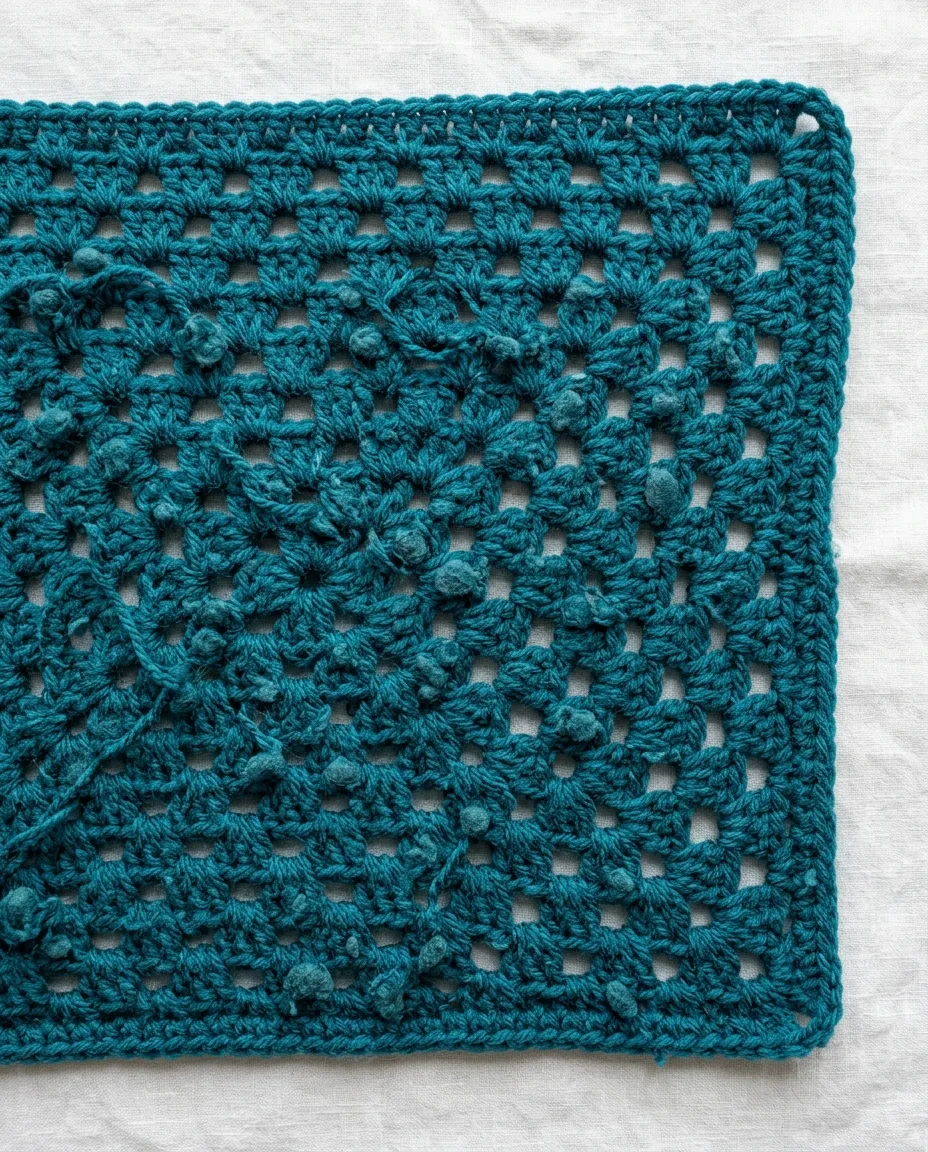
Wool pills too, but wool pills are weak. The little knot is held on by a few thin fibers, and those snap after a while. The pill drops off in the wash or brushes away. Acrylic fiber is much stronger. So the pill stays anchored. It collects more fuzz and grows.
That’s why an acrylic blanket can look worse at six months than a wool one at two years. Not every acrylic is equal. Tightly twisted, plied acrylic marketed for hard wear pills far less than the fluffy budget kind.
Already made it in a pill-prone acrylic? Then comb it regularly, before the pills get big and tangled. Small pills take two or three strokes. Big ones drag the yarn with them when you remove them.
Cause 4
Loose stitches give the fibers room to move
 Save
Big, loose stitches leave more yarn exposed. Each strand also shifts against its neighbors every time the blanket moves. That constant shifting is rubbing, and rubbing is what pulls fibers loose.
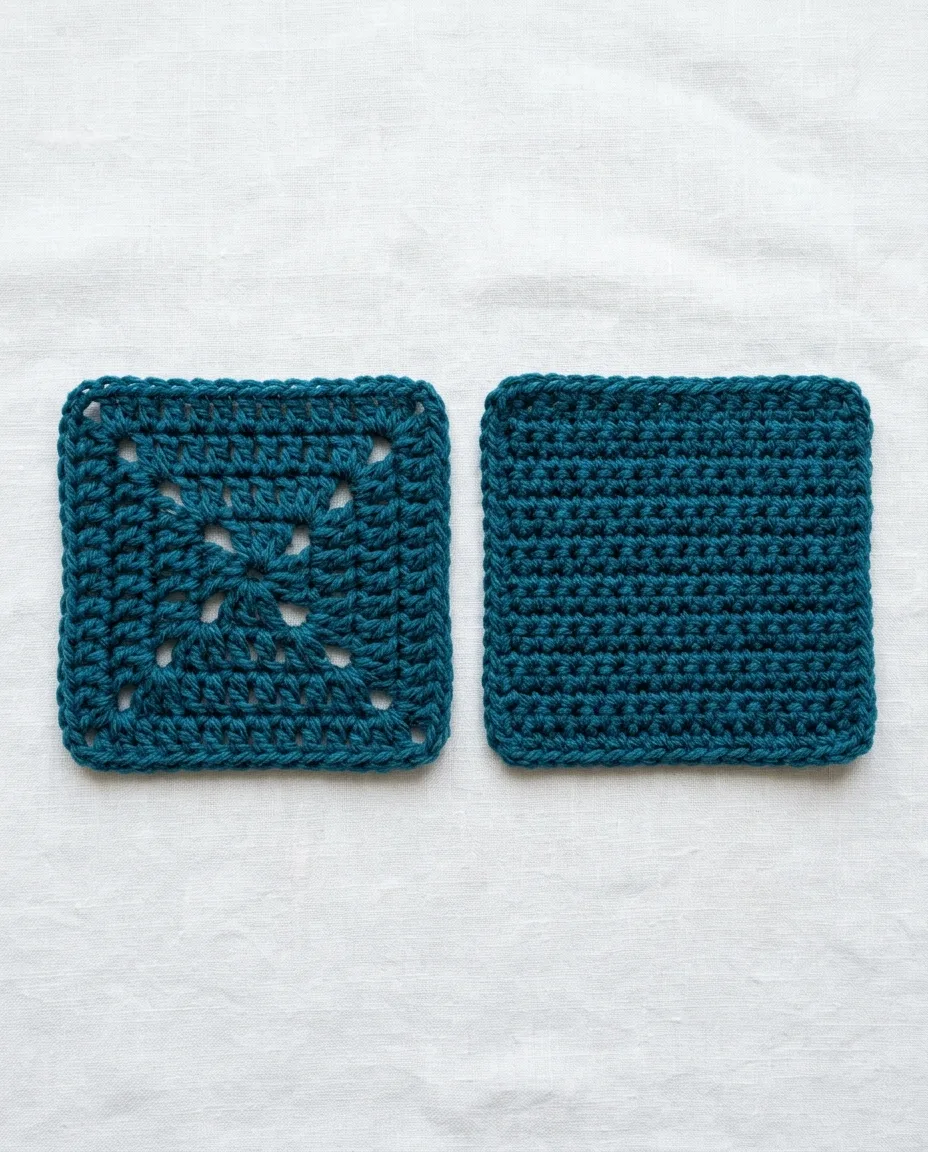
Your hook size sets most of this. A yarn band lists a suggested hook, and blankets often get made a size or two larger for drape. That’s fine for a firm yarn. With a soft single-ply it’s asking for trouble.
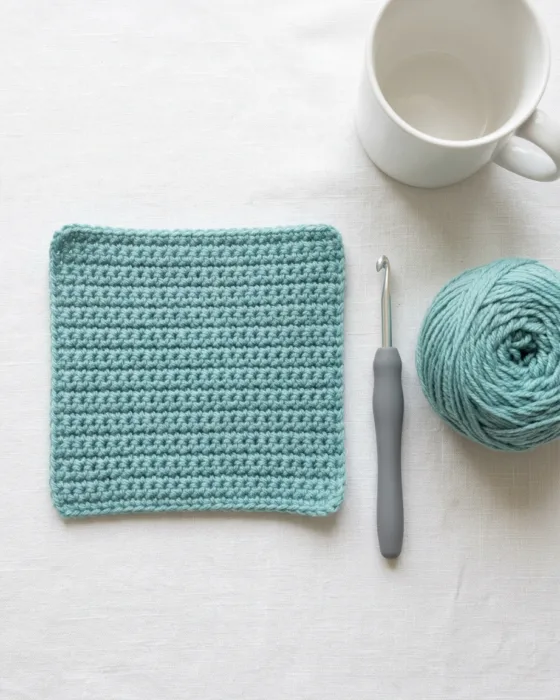
Try a swatch about 4 inches (10 cm) square with the suggested hook. Then make a second one a size smaller and rub both firmly with your palm for a minute. The denser one usually stays smoother. It also uses a little more yarn and feels stiffer, so pick the swatch you’d actually want on your lap.
Cause 5
Daily rubbing on the sofa and the bed
 Save
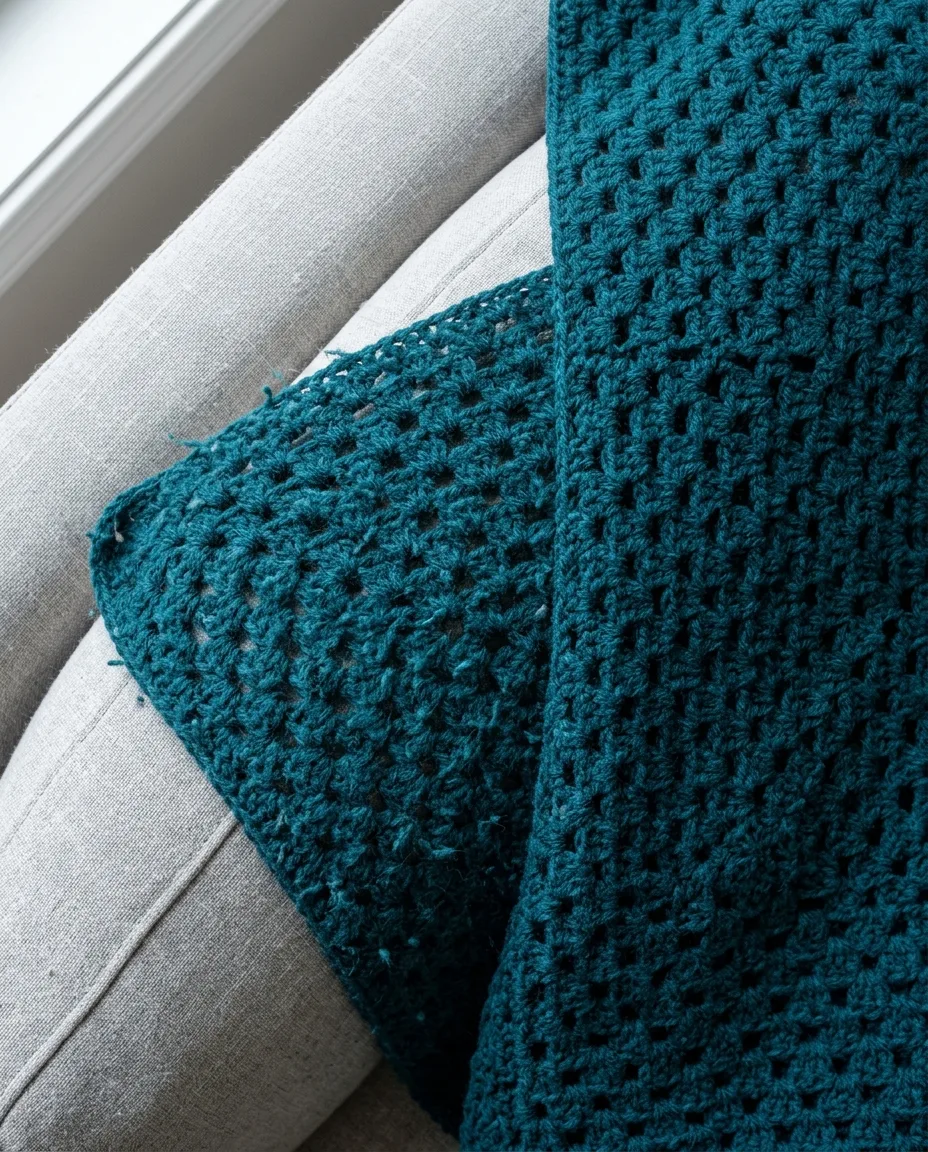
No yarn survives friction forever. The places that pill first tell you where the rubbing happens. A sofa arm, the edge you grab, the spot under a sleeping pet. Those areas will always wear faster than the middle.
Rough surfaces make it worse. Textured upholstery, a jacket zipper or the hook side of a hook-and-loop strap all grab the yarn and drag fibers out. Pet claws do the same, and fast.
You can’t stop people using a blanket. You can rotate it, though. Turn it end to end every week or two so the same edge doesn’t take all the wear. Small habit, and it spreads the pilling out until it’s hardly noticeable.
Cause 6
Hot washes and long dryer cycles
 Save
A washing machine is a friction machine. The blanket tumbles against itself and the drum, plus whatever else is in the load. Towels shed lint that tangles into the pills. Jeans and zippers scrape the surface.
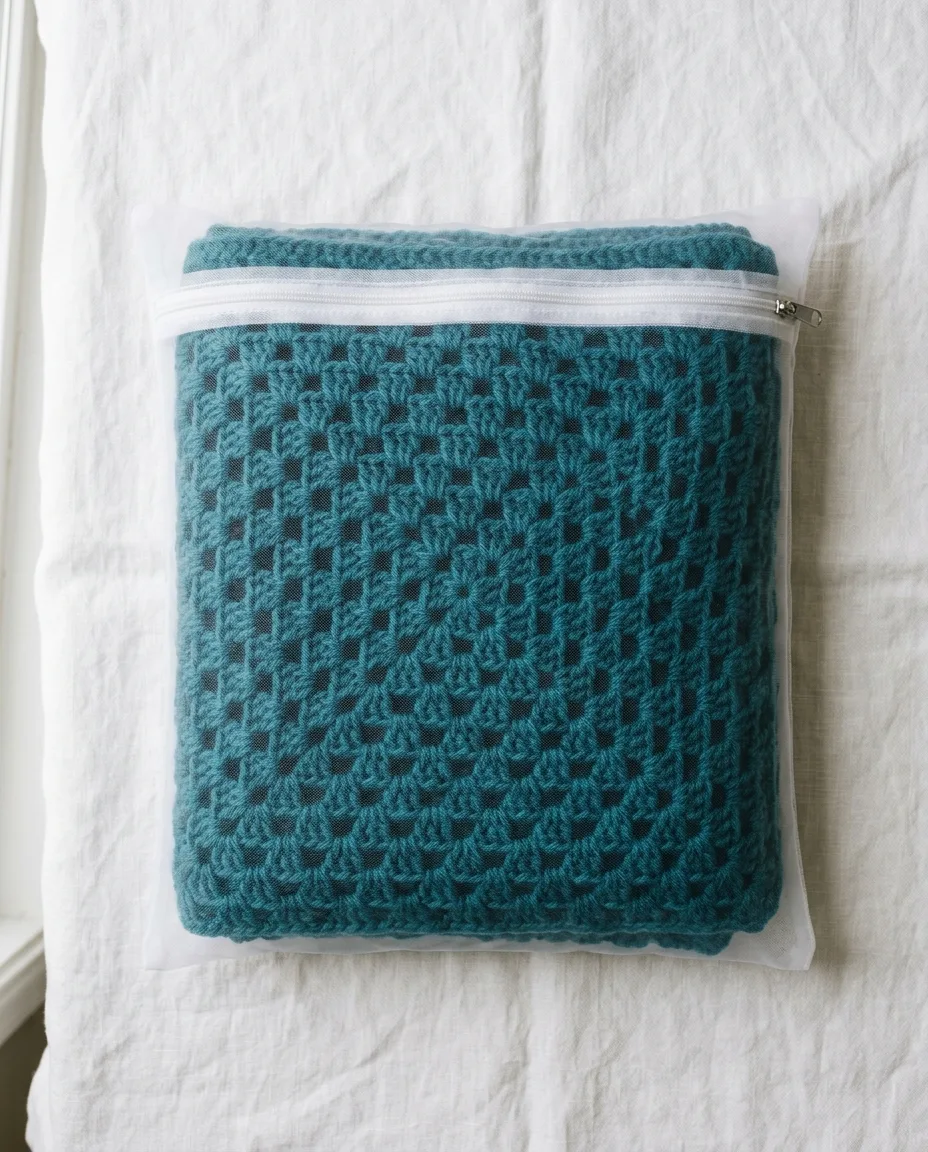
Wash the blanket on its own, or with soft items only. Put it in a large mesh laundry bag and use a gentle cycle with cold or cool water. Turning the blanket inside out doesn’t really help, since crochet looks much the same on both sides.
Skip the long hot dryer cycle. Heat can relax acrylic so far that it goes limp and flat, and that can’t be undone. A wool blanket can felt and shrink. Lay the blanket flat on a towel to dry, or tumble it on low for a short while and finish it flat. Slower, yes. It’s also the cheapest way to keep a new blanket looking new.