Quick fix
Wool and other animal fibers felt when warm water and rubbing hit them together, and that can't be undone. Cotton just tightens up, mostly in length, and a soak with hair conditioner plus pinning it out can bring a lightly shrunk piece close to its old size.
Check the yarn label before you do anything else. The fiber line on that band tells you most of what happened in the wash. Wool or alpaca that came out smaller and fuzzy has felted. Cotton that came out shorter has shrunk. Those are two different problems, and only one of them can be undone.
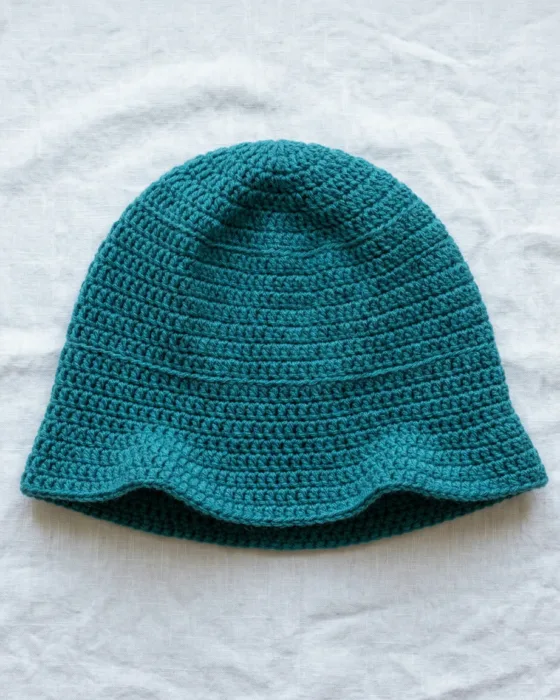
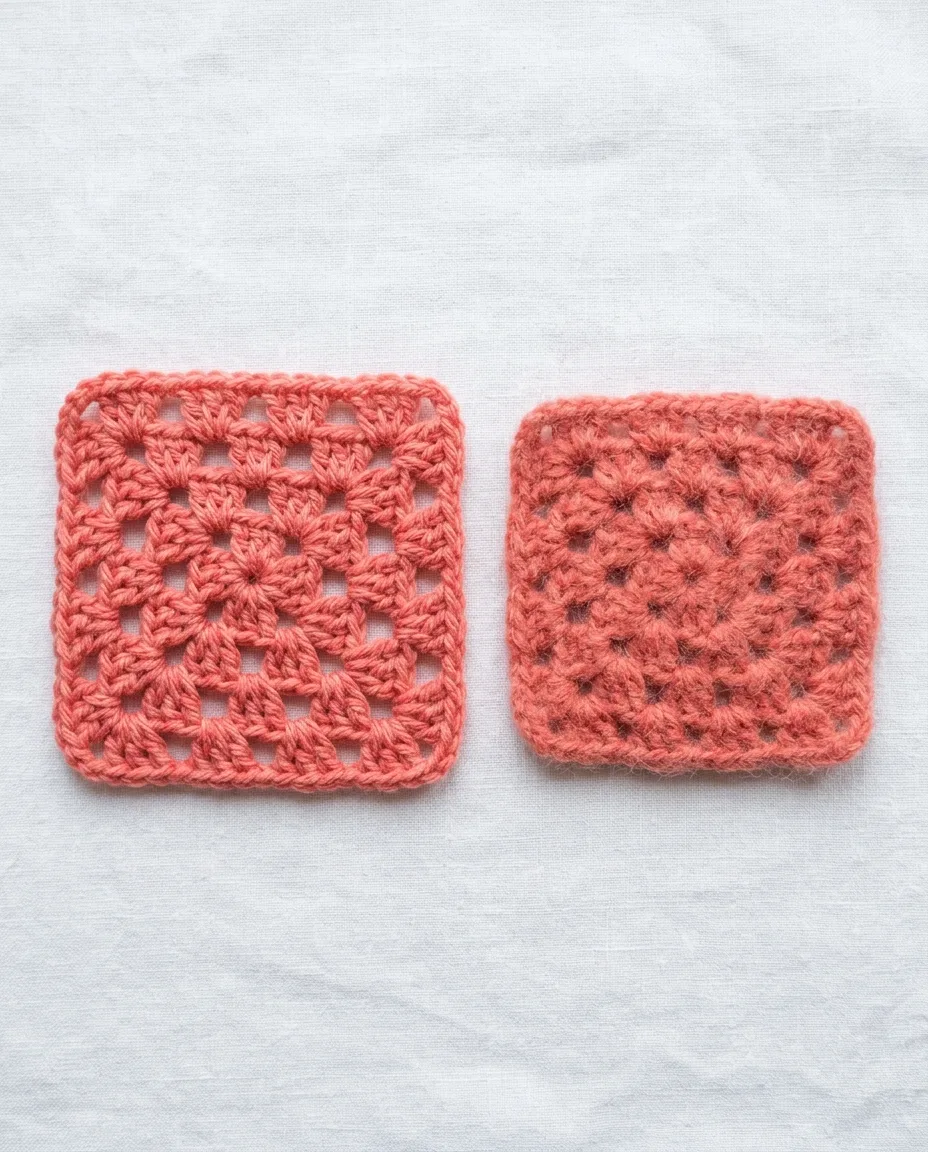
Felting happens when warm, wet animal fiber gets rubbed. Each wool hair is covered in tiny scales, a bit like roof shingles. Heat lifts them. Rubbing pushes the hairs past each other, and the scales catch and lock. After that the fabric pulls in on itself and turns thick. You’ll see the stitches blur into a fuzzy, matted surface.
Plain shrinking is gentler. Cotton and linen fibers swell in water and pull tighter as they dry. The stitches stay readable. The piece just comes out a little smaller, usually in length.
Acrylic is the odd one out. It won’t felt or shrink in normal washing. Too much dryer heat can make it go limp and drapey, though, which some people call “killing” the acrylic. If your piece is acrylic and came out smaller, look at the last cause, about stretching it out to dry.
Can you get it back?
Felted wool can’t be reversed. Once those scales have locked, no soak will unlock them. A piece that only shrank a little, with the stitches still clear, often can be eased back. Soak it in lukewarm water with a spoonful of hair conditioner for about half an hour. Then press the water out in a towel, stretch it gently to size and pin it flat to dry. It won’t always reach the full original size. But it usually gets close enough to wear.
Below are the six usual causes, in the order they tend to show up.
Cause 1
Hot water on animal fiber
 Save
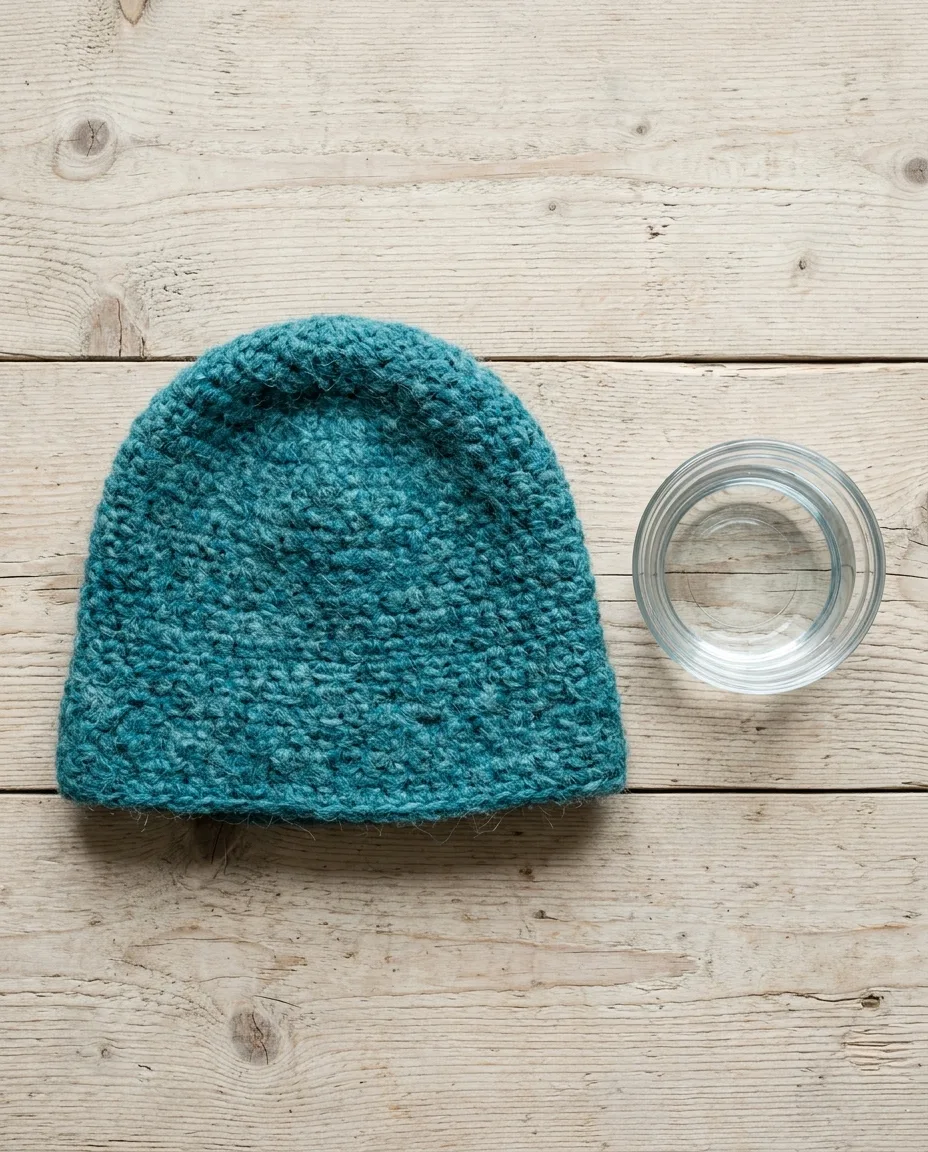
Heat is the first trigger. A warm or hot cycle opens the scales on wool, and the rest of the wash does the damage. Pure wool hats and slippers are the classic victims. They go in at head size and come out fitting a toddler.
Wash any untreated wool in cool water. Hand washing in a basin is safest. Swish it gently, let it soak for ten minutes, then rinse in water at the same temperature. A sudden jump from warm to cold shocks the fiber and can start felting too. That catches people out (the rinse feels harmless).
Use a wool wash or a mild shampoo. Regular detergent with enzymes can be hard on animal fiber over time.
Cause 2
Too much rubbing in the machine
 Save
No heat at all? Wool can still felt from agitation. A normal machine cycle tumbles and slaps the fabric for half an hour or more. That much rubbing is enough to lock the fibers, even in cool water.
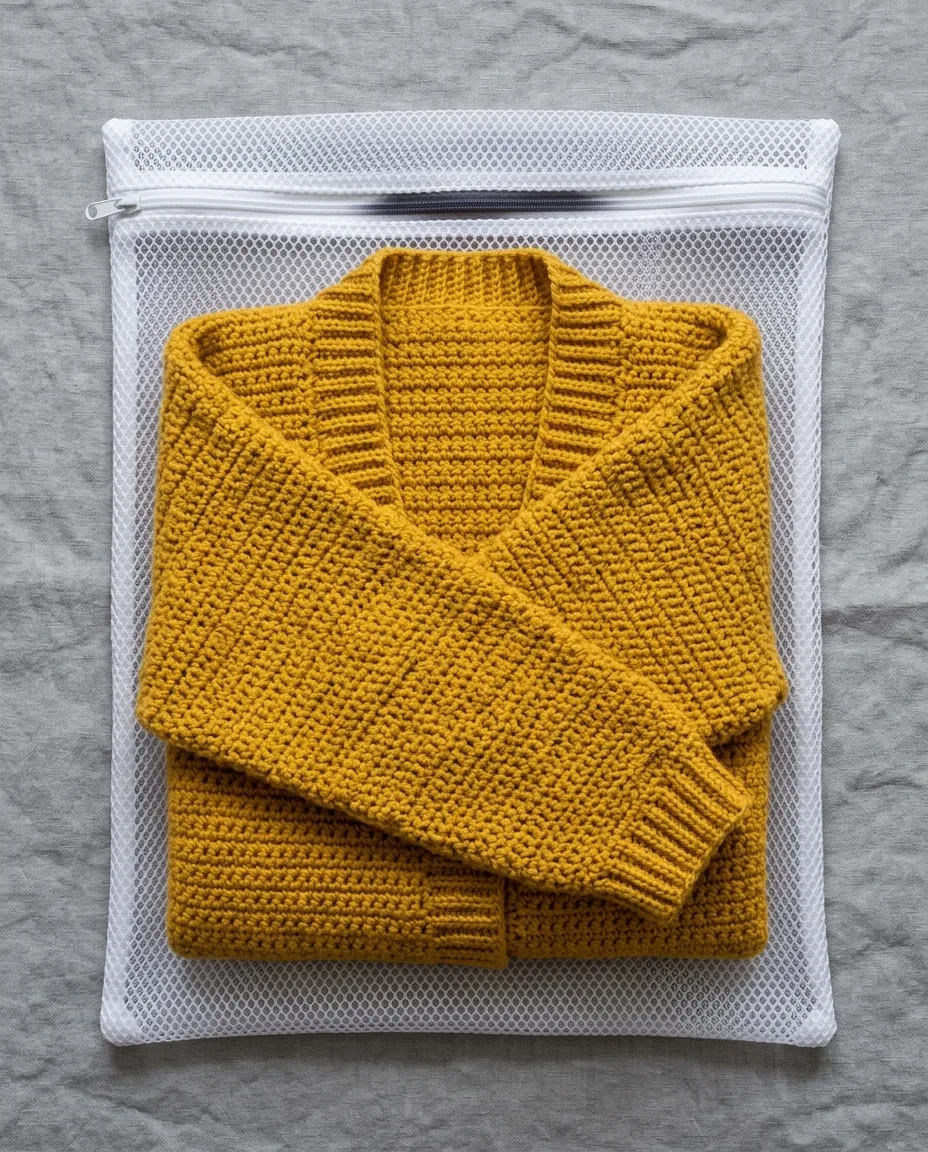
If you must machine wash, pick the wool or hand-wash cycle. Put the piece in a zippered mesh laundry bag. It cuts down on rubbing and stops a cardigan from stretching around the drum. Set the spin to low.
And skip the machine entirely for anything felt-prone that you’d hate to lose. A gift blanket in pure wool is worth ten minutes in a sink.
Cause 3
It went in the dryer
 Save
A dryer has every felting ingredient in one box. It’s warm. It tumbles. And the piece starts out damp. Even a short cycle can shrink wool by a size, and a long one turns a sweater into a dense mat.
Cotton suffers here too. Most cotton shrinkage happens in hot drying, much more than in the wash itself.
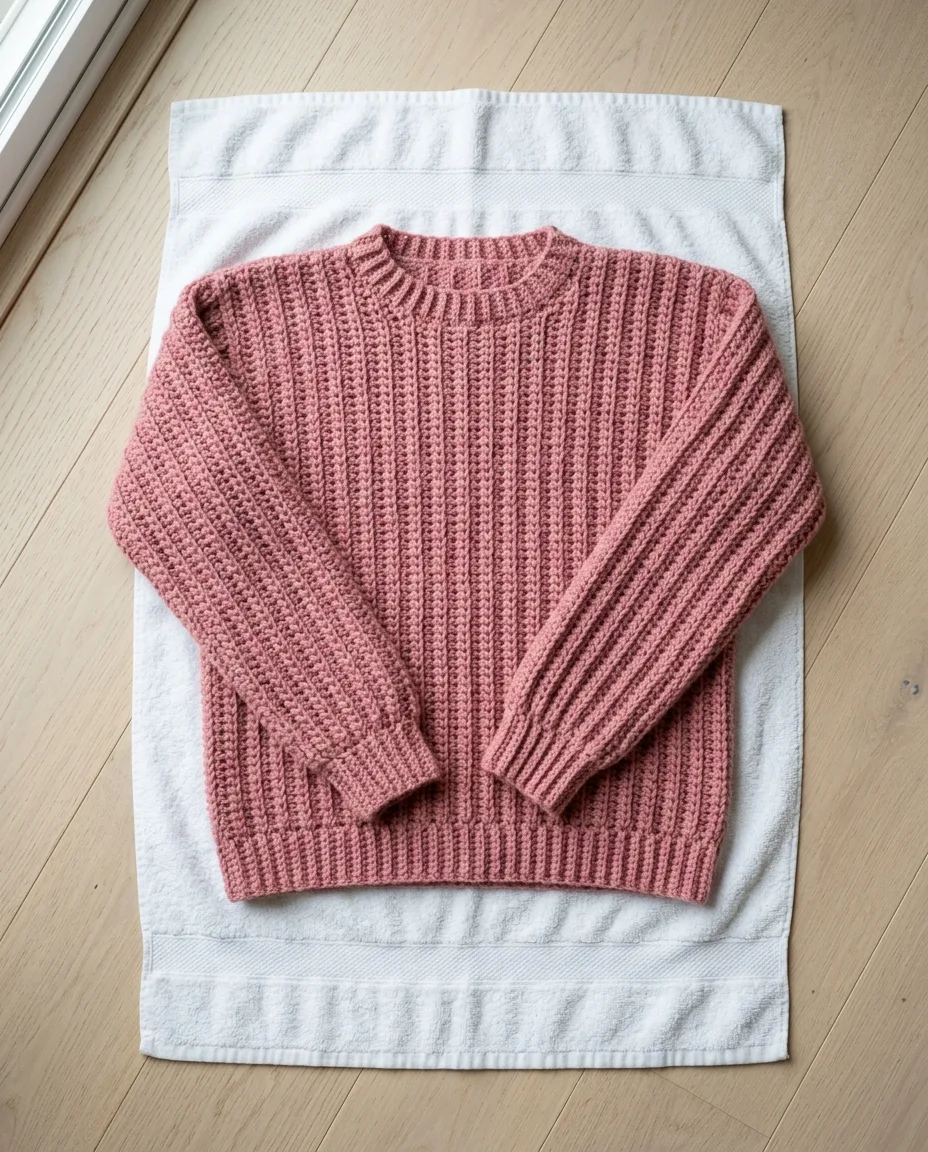
Dry flat instead. Roll the wet piece in a towel and press to squeeze the water out. Wringing it twists the stitches out of line, so don’t. Then lay it on a dry towel and pat it into shape with your hands. Straighten the edges and smooth the sleeves. Turn it once while it dries. A thick piece can take a day or two, which is annoying but cheaper than a new sweater.
Cause 4
The label never said superwash
 Save
Superwash wool has been treated so its scales can’t catch, which means it handles machine washing. Plain wool hasn’t. The two look and feel almost the same in the ball. So a lot of felting starts with a yarn band nobody read, or one that got thrown away.
Look for the word “superwash” on the band, or a machine-wash symbol. If there’s no band left, assume the wool will felt. Alpaca and mohair felt as well, often faster than sheep’s wool.
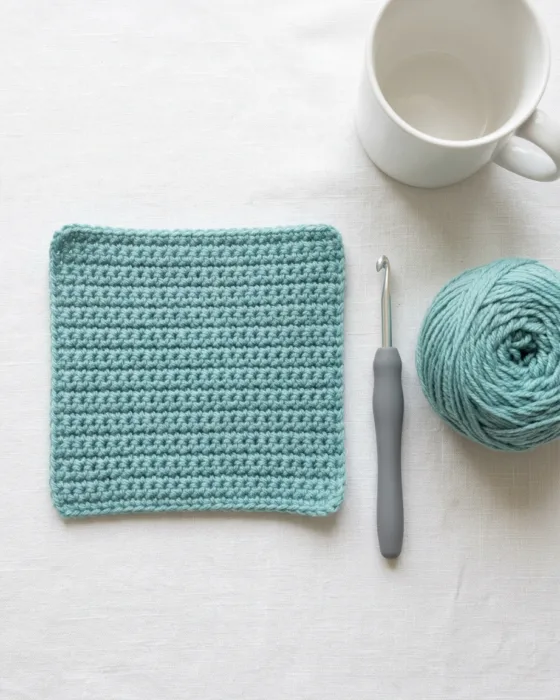
Not sure? Test it. Crochet a small sample square, called a swatch, about 4 inches (10 cm) across. Measure it, then wash it the way you plan to wash the finished piece. Measure again once it’s dry. If it shrank or went fuzzy, you know before it matters.
One warning about superwash. It can grow when wet, because the treatment lets the fibers slide. A superwash sweater dried on a hanger may come out longer. Dry it flat as well.
Cause 5
Cotton shrinks in length
 Save
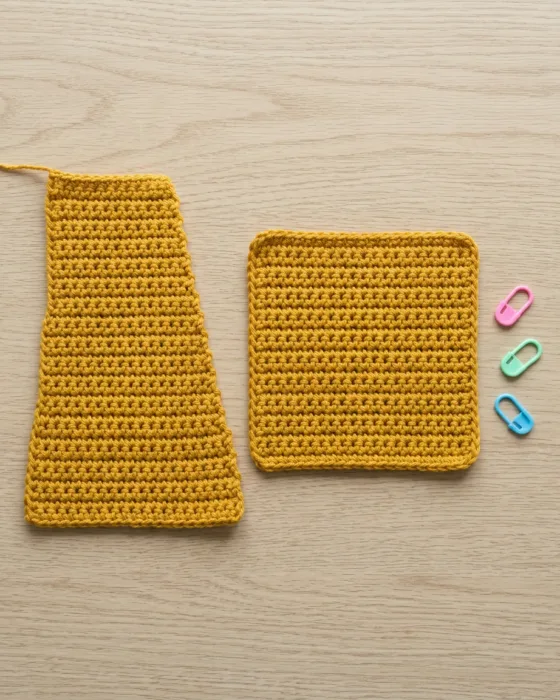
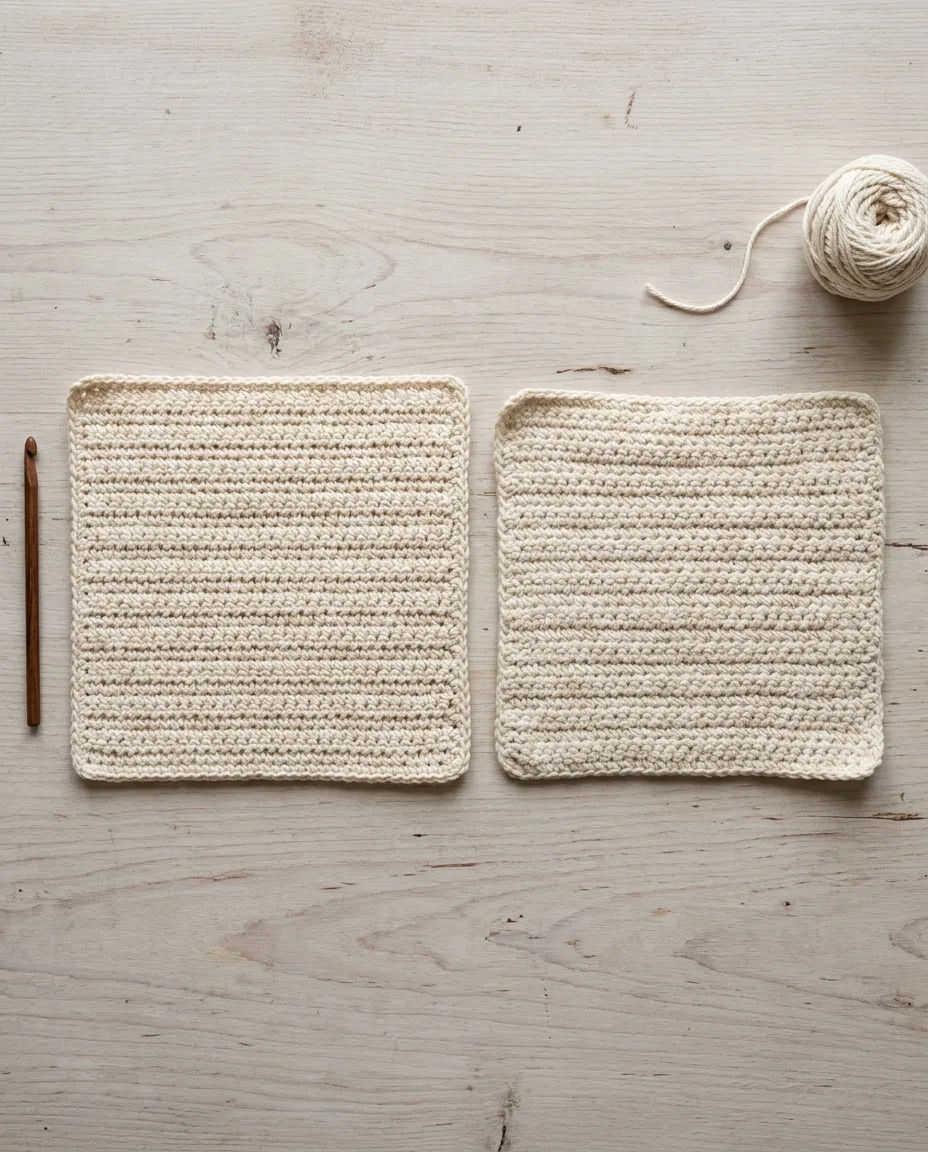
Cotton doesn’t felt. It does tighten up the first time it’s washed and dried, and it tends to lose more in length than in width. A dishcloth that started square can come out a little rectangular. A cotton top can rise above the waist.
Washing your swatch first is the best fix here too. Measure the washed swatch and work out your gauge from that. Gauge is just the number of stitches and rows in a set width, usually 4 inches. If the washed swatch has more rows per inch, the finished piece will shrink by about that much. You can add a few rows to make up for it.
Mercerized cotton, which has been treated for shine and strength, shrinks less than soft unmercerized cotton. Blends with acrylic shrink less again. For dishcloths it barely matters. For a fitted top it does.
Cause 6
Blocked wider than the stitches want to sit
 Save
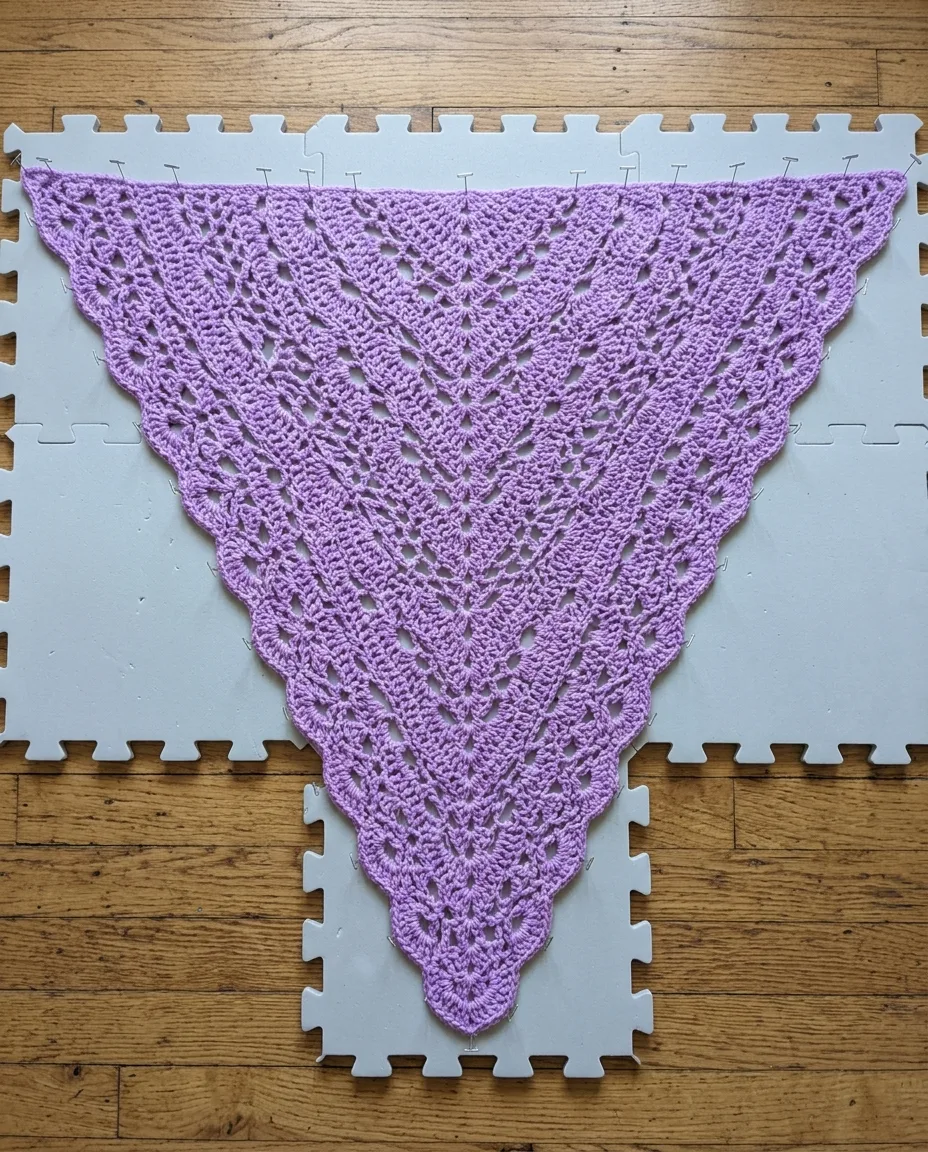
Sometimes the piece didn’t shrink at all. It went back to its real size. Blocking, which means wetting a finished piece and pinning it out to dry in shape, opens up lace. It evens out the stitches too. Stretch it hard, though, and the next wash lets it relax back.
Plant fibers and acrylic spring back the most. Wool holds a block better, though it still loosens with every soak. Lacy shawls are the usual case. They get pinned a full hand wider on every side to open the holes. Then the first wash closes them up again and the shawl looks like it shrank.
Block to the size the pattern gives, or to the size your swatch reached without strain. If the pins are pulling the stitches into points, it’s stretched too far. Pin the edges every inch or two and let it dry fully before you unpin it. After any later wash, block it again the same way and it’ll come back to the same size.