Quick fix
Plant fibers like cotton and bamboo don't spring back, and wet fabric that's hung or wrung pulls longer under its own weight. Rewet the piece, shape it smaller with your hands, and dry it flat, but acrylic that was stretched by high heat stays stretched.
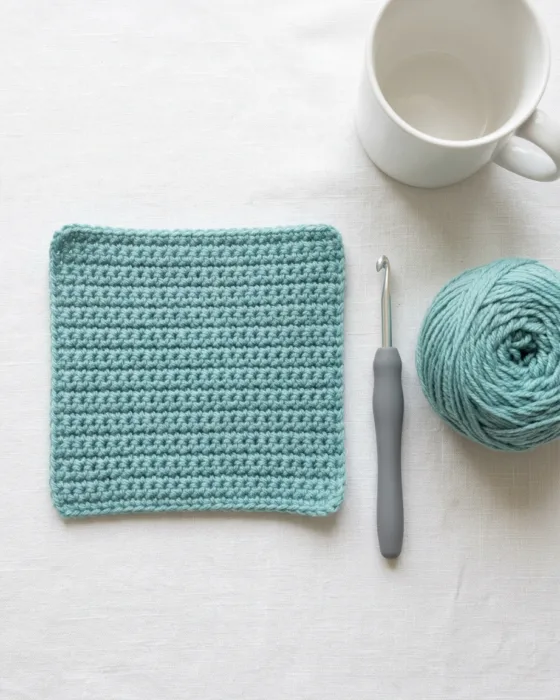
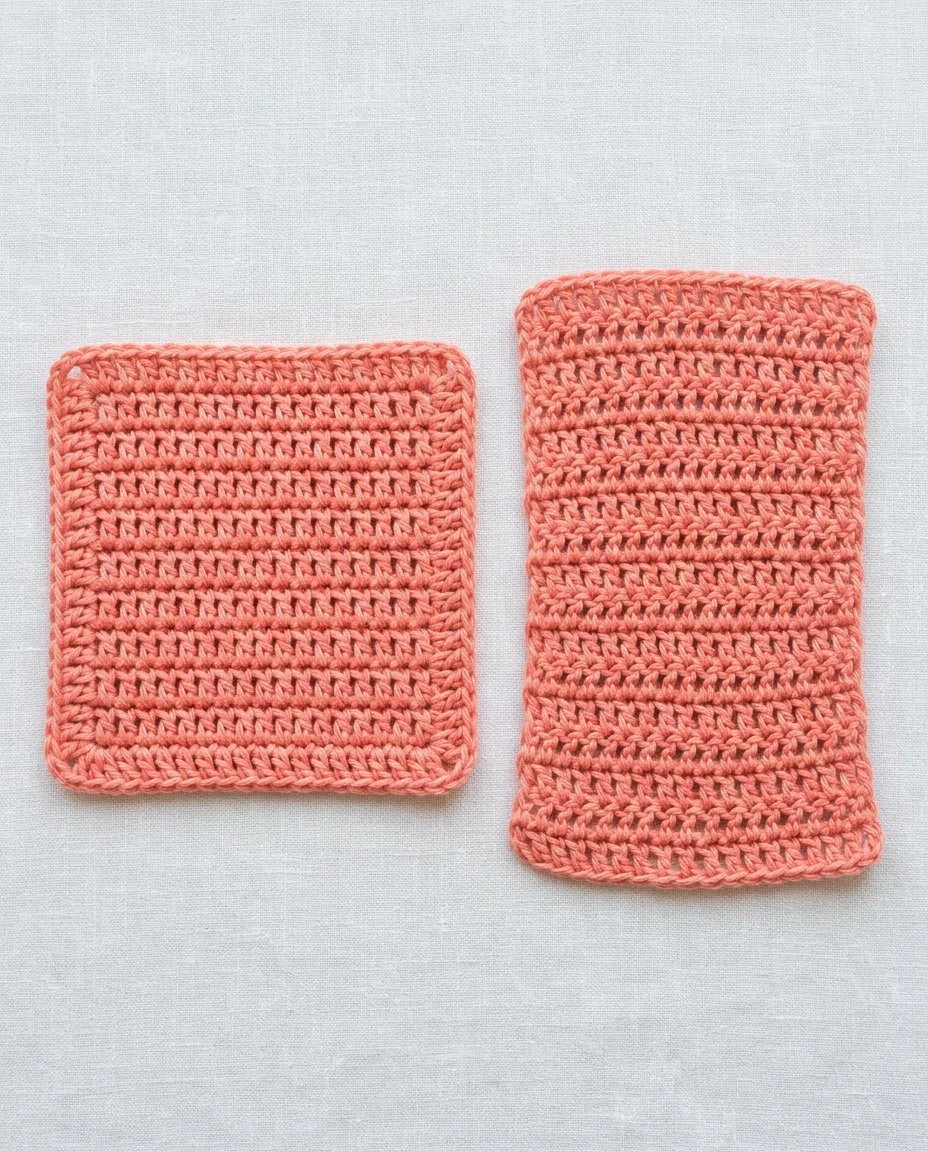
Four inches went in. Four and a half came out. That’s how the problem usually shows up on a test swatch, the small practice square you make before a project. On a sweater, the hem now sits an inch or two lower than you planned. Annoying? Very. But it isn’t random, and in most cases you can pin down why it happened.
Stretch after washing comes from two things working together. One is the fiber. Some yarns spring back after they’re pulled and some just stay where you put them. The other is how the piece was handled while it was wet, because wet yarn is heavier and far easier to pull out of shape.
So check the yarn band first. It tells you the fiber, and the little care symbols say whether the yarn can take a dryer. Then go through the causes below. More than one can apply to the same piece, and a cotton top that was hung on a line has two problems stacked on top of each other.
Not every stretched piece can be fully rescued. Plant fibers and wool will often move back some of the way. Acrylic that’s been cooked by heat won’t. The sections below say which is which.
Cause 1
Cotton and bamboo have no bounce
 Save
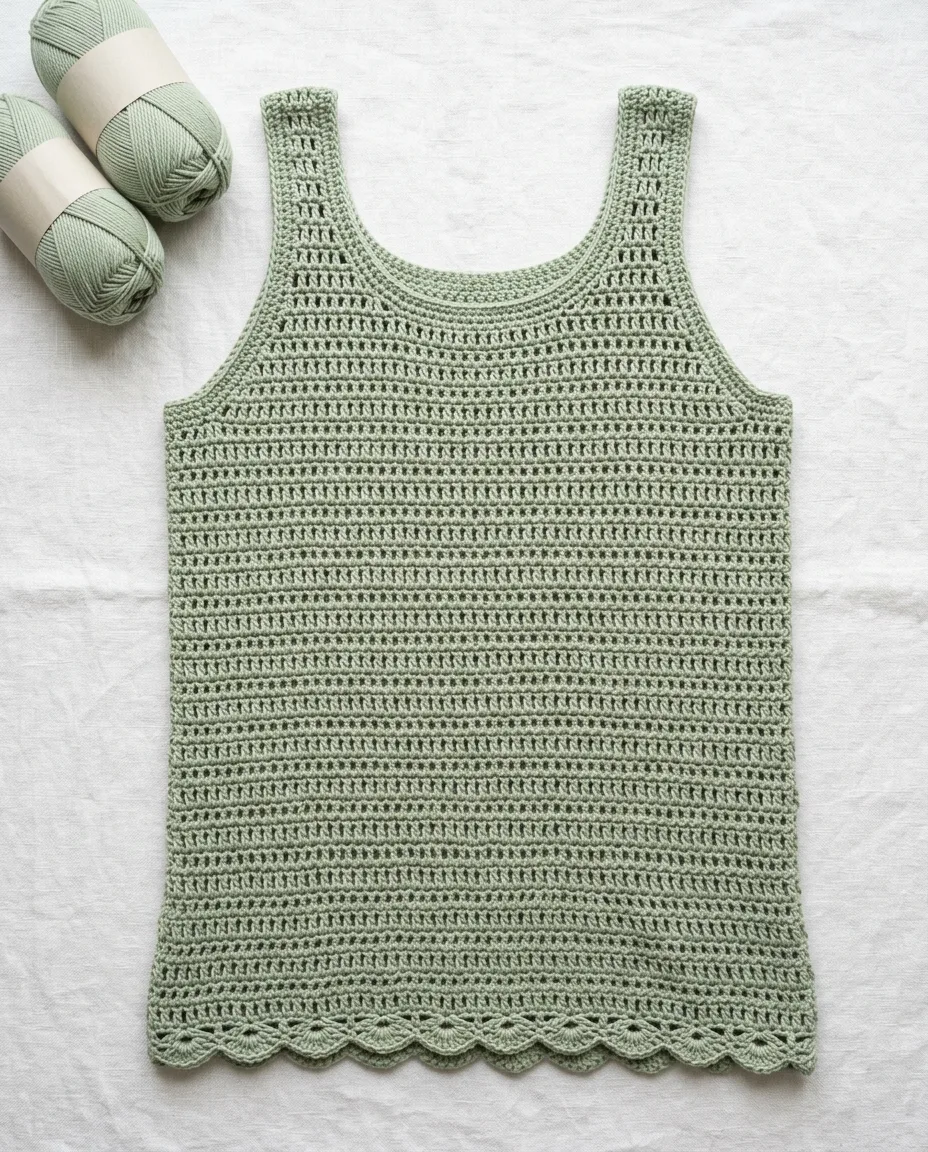
Cotton is the usual suspect. It’s a plant fiber, and plant fibers have almost no stretch-and-return in them. Wool has a natural wave along each strand that acts like a spring. Cotton doesn’t. Once a cotton stitch is pulled longer, it tends to stay longer.
Water makes it worse. Wet cotton soaks up a lot and gets heavy. Every stitch near the hem of a top is carrying the wet fabric above it. Bamboo and other rayon yarns are even softer on this front, because they lose a good share of their strength while wet. Linen behaves a lot like cotton.
Tall stitches suffer most. Each one is a long upright post with plenty of yarn in it, and that yarn can slide. Short, tight stitches hold their shape better. There’s less loose yarn in each one.
What to do now: wet the piece again, squeeze the water out gently, and push it back toward the size you want while it lies flat. Pat the length shorter and the width wider with your hands. Leave it until it’s fully dry. For plain cotton, a short tumble on low heat often pulls it back in too (check the band first). Bamboo should never go in the dryer.
Next time, pick a cotton blend with a little wool or acrylic in it, or work the body one hook size smaller. Both help. The blend helps more.
Cause 2
Hanging it up to dry pulls it long
 Save
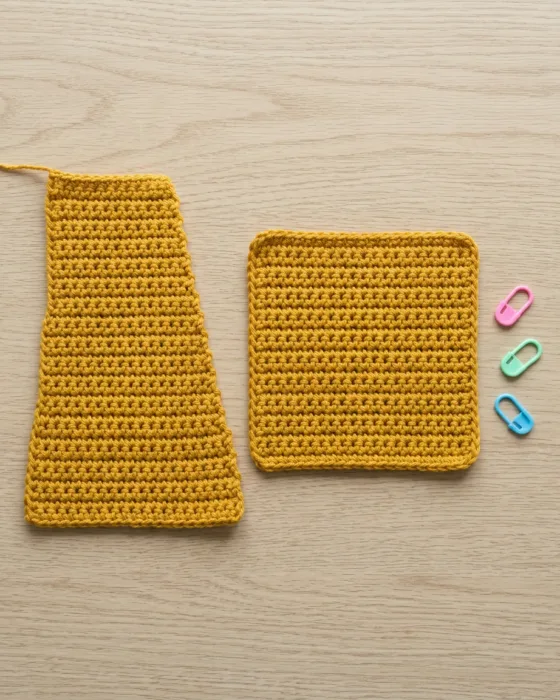
Gravity does most of the damage here. A wet sweater on a hanger or a clothesline has its whole wet weight pulling straight down from the shoulders. Within an hour or two the stitches have slid and the body is longer. The sleeves too.
Wringing does the same thing faster. Twisting a wet piece stretches every stitch along the twist, and cotton won’t spring back from it.
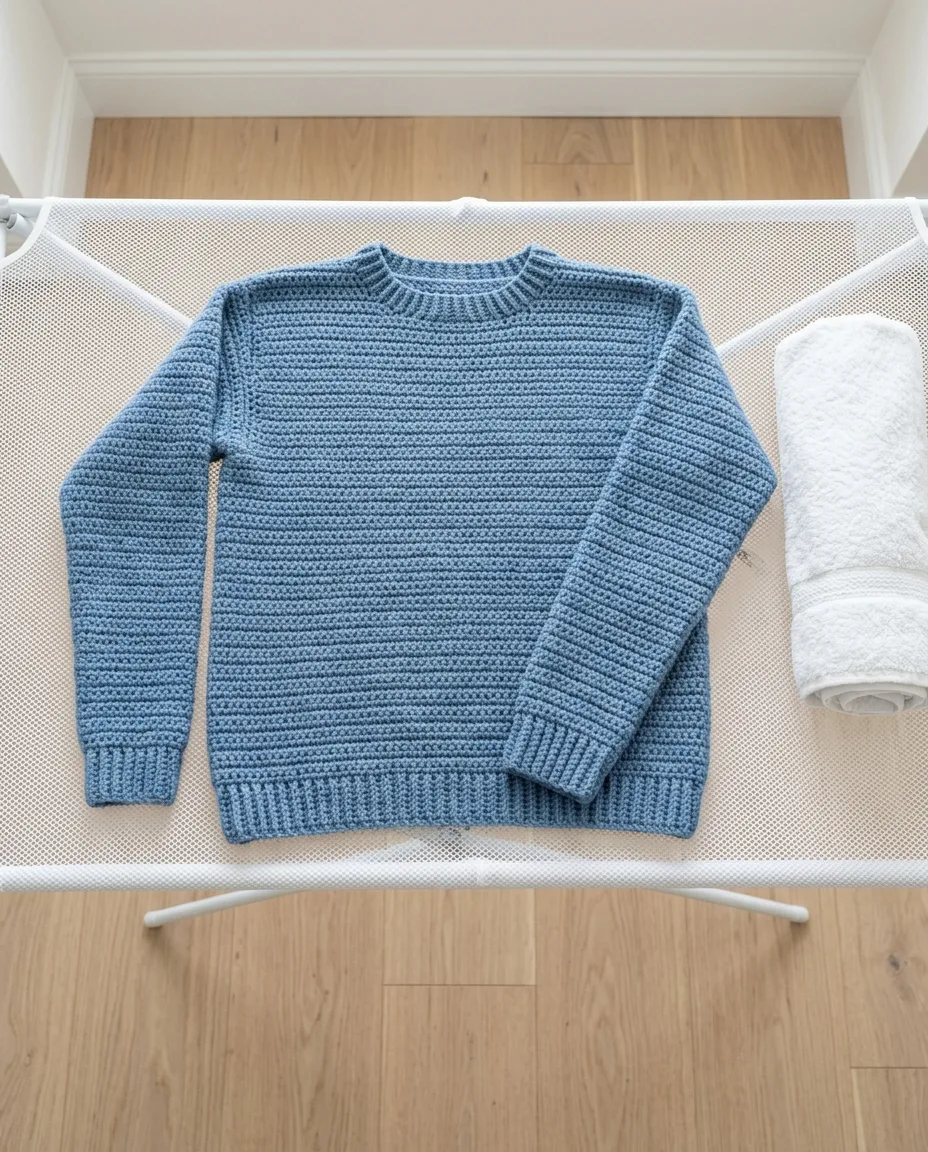
The fix is boring but it works. Press the water out by squeezing the piece in a ball. Don’t twist it. Then lay it on a dry bath towel, roll the towel up like a sleeping bag, and press down along the roll. A lot more water comes out than you’d expect. After that, lay the piece flat on a mesh drying rack or a fresh towel. Shape it to size with your hands and leave it alone until it’s dry all the way through. A heavy cotton sweater can take a full day.
If it already grew from hanging, rewet it and dry it flat the way above, pushing the length back in as you shape it. You’ll usually win back most of the lost length. Shoulders that were stretched by hanger points sometimes keep a small bump, which a second flat drying usually smooths.
Cause 3
Superwash wool grows when it’s wet
 Save
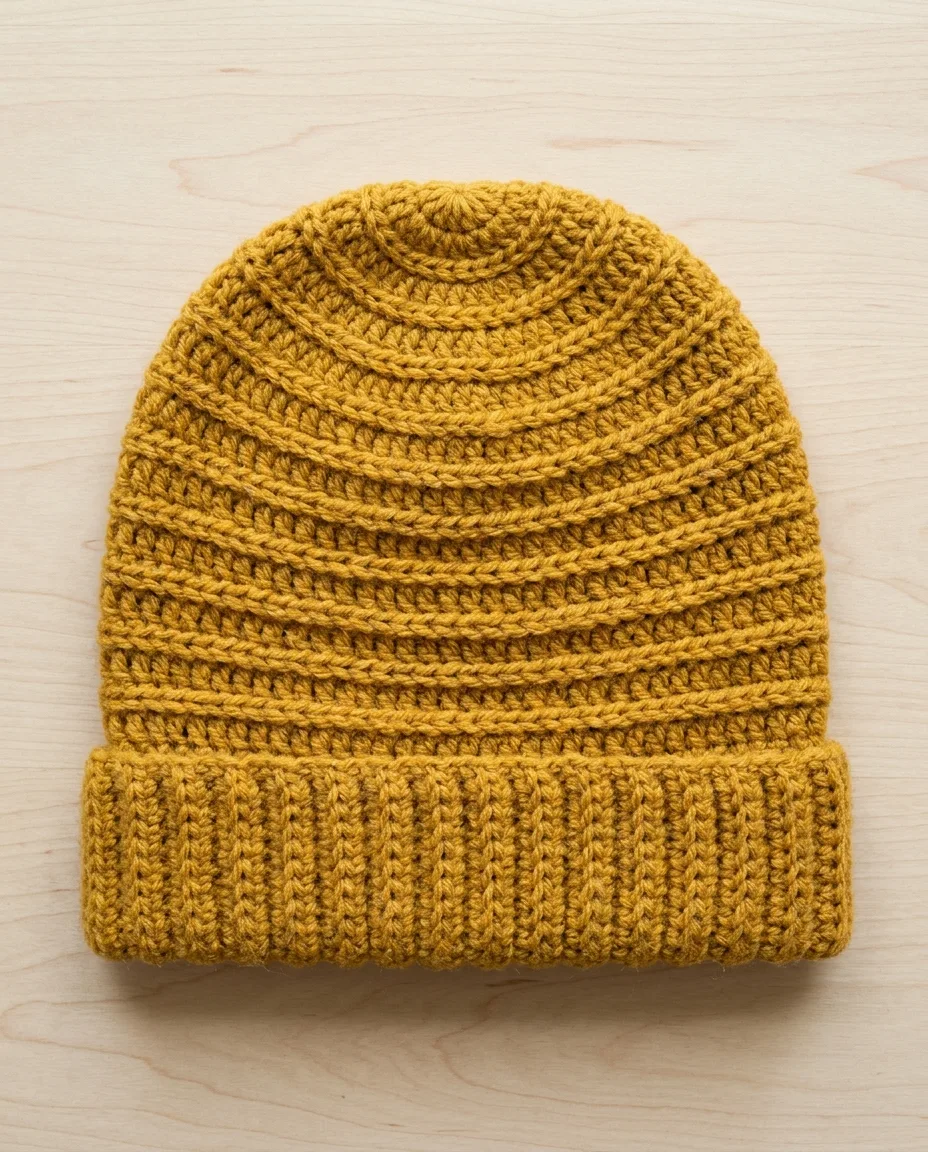
Ordinary wool shrinks and felts in hot water. Superwash wool has been treated so it won’t, and that’s why it can go through a washing machine. The treatment has a side effect, though. The fibers lose some of their grip on each other, and the fabric tends to grow when it’s wet.
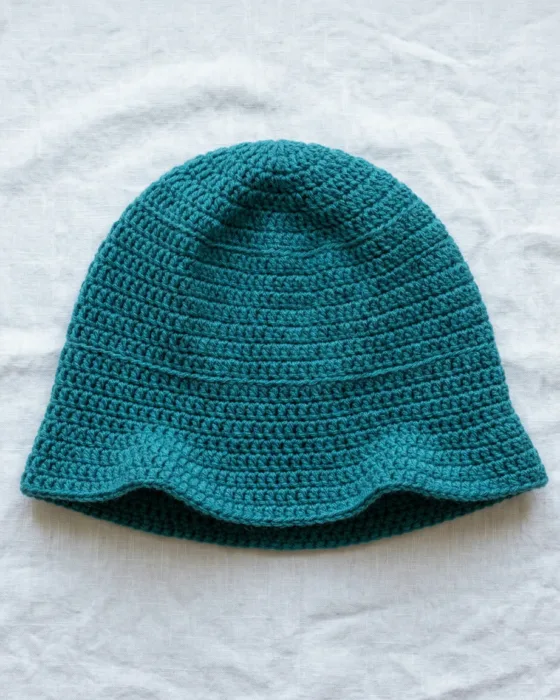
Hats get longer. Sweaters get wider and longer at once. Socks slouch.
Many superwash yarn bands allow a tumble dry on low, and that low heat often snugs the fabric back up close to its first size. Read the band before trying it. If the band says dry flat, rewet the piece, shape it smaller by hand, and dry it flat instead.
For the next project, wash the test swatch before you measure it. Your gauge, meaning how many stitches and rows fit in 4 inches, can change a lot between a dry swatch and a washed one with superwash yarn. Measure the washed one and choose your hook from that number. It costs one evening and saves a sweater.
Cause 4
Too much heat can relax acrylic for good
 Save
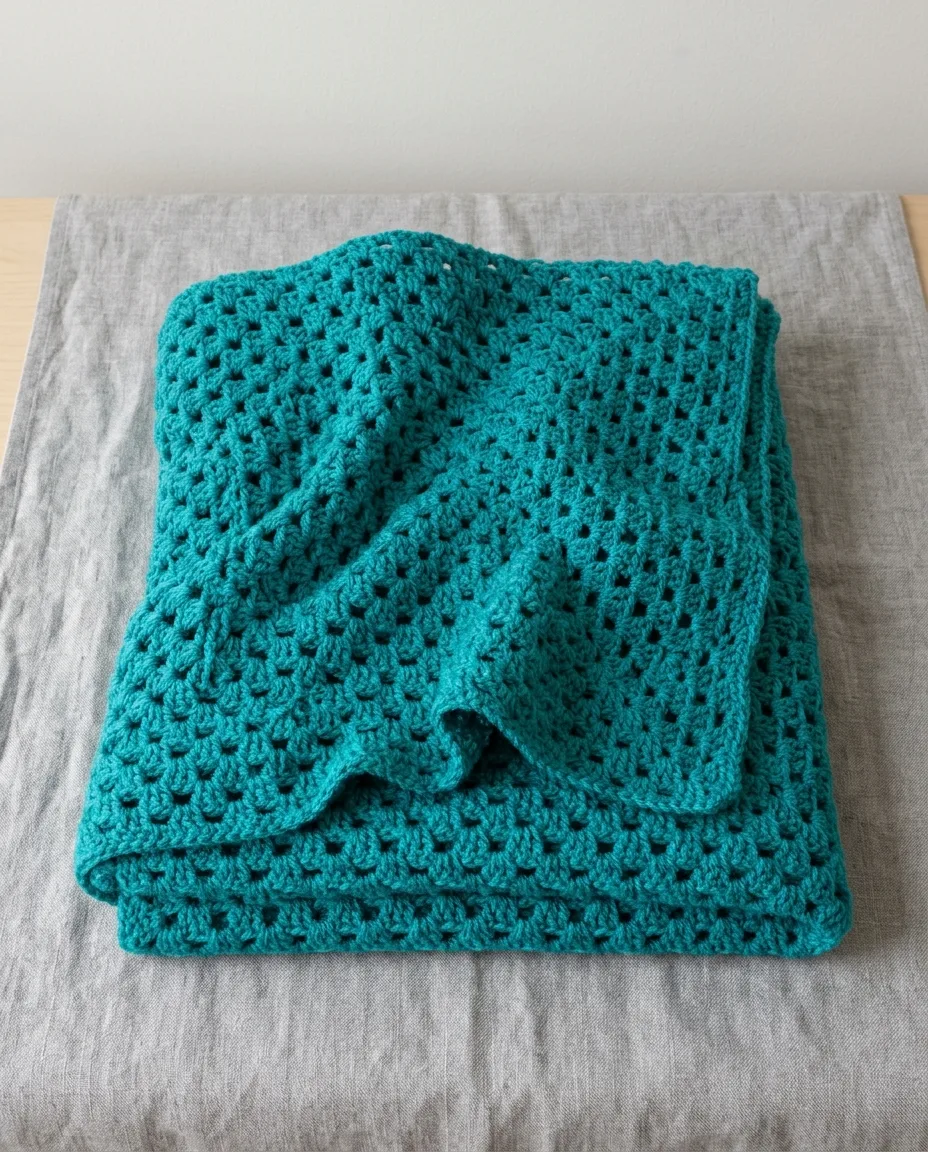
Acrylic usually holds its shape well in the wash. Heat is the exception. A hot dryer cycle or a steam iron held on the fabric softens the plastic fibers, and they lose their springiness for good. Crocheters call this “killing” acrylic.
Killed acrylic goes limp and drapey. It grows longer under its own weight, and it won’t spring back in water or on low heat. That part is permanent, so the honest answer is that a stretched acrylic garment can only be fixed by taking stitches out. For a top that’s too long, that means unpicking the hem rows and working fewer of them.
And on the bright side, some people kill acrylic on purpose. A stiff acrylic shawl or blanket gets a soft drape after a quick pass of steam, which can be just what a blanket needs. The trouble starts only when it happens by accident to something fitted.
To avoid it, wash acrylic in warm water and dry it on low heat or flat. Keep irons and steam away from anything you want to keep its size.
Cause 5
If the fabric was loose to begin with
 Save
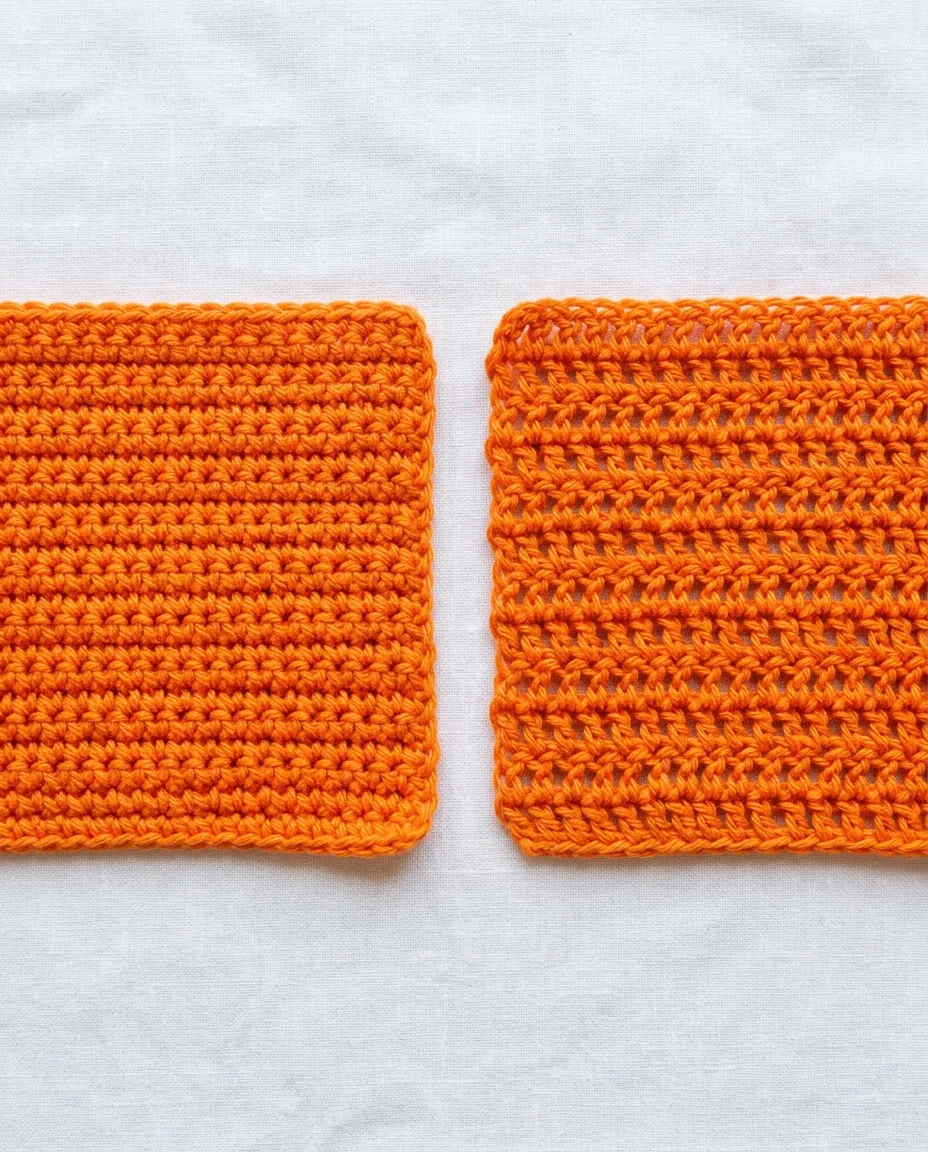
Sometimes the wash just reveals a problem that was already there. Loose stitches have extra yarn in them, and that extra yarn has room to shift once the piece is wet. A firm fabric has nowhere to go.
Hold the piece up to a window. If you can see light through lots of small gaps between stitches that should be solid, the fabric is loose. That often comes from a hook that’s too big for the yarn, or from holding the yarn coming off the ball too loosely.
No washing trick fully fixes loose fabric. Drying it flat and shaped will keep it from getting worse, which is worth doing. For the next one, go down a hook size or two and make a new test swatch. Say a hat in worsted weight yarn (the medium, everyday thickness) came out loose on a 5 mm (H) hook. Try a 4.5 mm (7) hook instead.
Count the stitches in 4 inches of the old piece and the new swatch. If the new swatch has more stitches across, it’s firmer and it will hold its size better through the wash. Adjust the pattern counts if the pattern was written for a looser gauge.